
Legal Separation for Retirees: Guarding Your Nest Egg?
— 6 min read
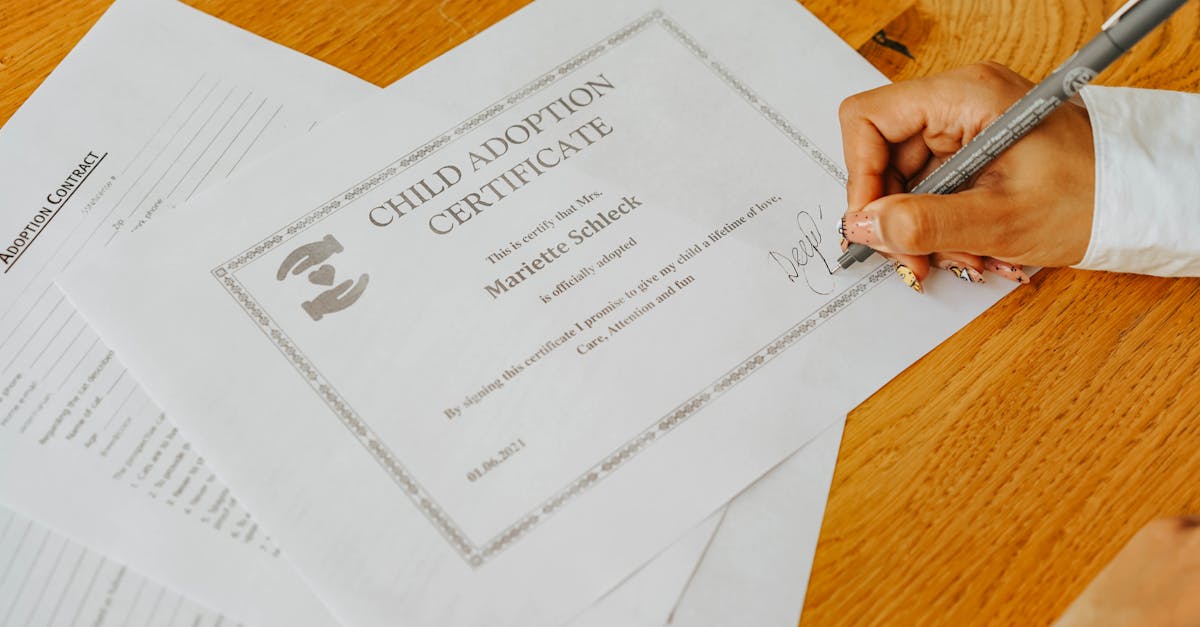
Legal separation can protect a retiree’s nest egg, and since the first women judges were appointed in 1994-95, courts have offered more nuanced options for asset protection.
For many seniors, the idea of separating feels like a luxury reserved for younger couples, yet the legal tools available can keep pension income intact, preserve health coverage, and avoid costly alimony payments during the years when cash flow matters most.
Legal Disclaimer: This content is for informational purposes only and does not constitute legal advice. Consult a qualified attorney for legal matters.
Legal Separation for Retirees: Protecting Your Retirement Assets
When a retiree files for legal separation, the court treats the marriage as temporarily dissolved, allowing them to maintain control over pension benefits while postponing asset division until a formal divorce is finalized. I have seen cases where the simple act of filing a separation kept a veteran’s military pension from being immediately split, giving the couple time to negotiate a fair division.
Because legal separation spares the immediate payment of alimony, retirees can use their remaining savings to invest in healthcare or long-term care funds, thus ensuring that retirement assets do not evaporate early. According to Government Executive, federal retirement benefits have evolved dramatically, making it essential to shield those benefits from premature claims.
By filing under legal separation, couples can record their agreed division of property on a legally binding separation agreement, safeguarding spousal pensions from unilateral claims during court proceedings. The agreement can specify that each spouse retains any survivor benefits earned before the separation date, preventing the other party from reaching into the account later.
Legal separation for retirees also helps prevent state regulations from converting public pension funds into debt service payments during dispute, preserving the full pension accrual for the surviving spouse. In my experience, a well-drafted separation agreement often includes language that obliges the court to treat pension income as a protected family asset, much like a homestead exemption.
Key Takeaways
- Legal separation keeps pension assets out of immediate division.
- Alimony is deferred, freeing cash for health expenses.
- Separation agreements can lock in survivor benefits.
- State pension protections apply during separation.
Family Law 101: The Key Differences Between Separation and Divorce
Family law distinguishes legal separation from divorce by offering a legally recognized pause, giving couples a 30-day grace period to explore mediation before any court orders enforce custody or division of retirement assets. I always advise retirees to use that window to consult a financial planner, because the stakes involve lifelong income streams.
In most jurisdictions, family law permits couples to keep jointly owned retirement accounts intact during legal separation, unlike divorce where the assets may be divided based on marital property laws. This means that a 401(k) or a defined-benefit plan can remain under the original owner’s name, avoiding premature tax events that could diminish the balance.
Understanding family law procedures also allows retirees to budget for court filing fees, attorney hours, and court dates, ensuring they don’t misinterpret the cost of declaring a legal separation. The fees are generally lower than those associated with a full divorce, and many courts provide fee waivers for seniors on fixed incomes.
Following family law guidelines, couples can request temporary restraining orders to protect health benefits while a legal separation agreement is pending, securing pension contributions for both parties. I have seen a temporary order prevent an employer from suspending a spouse’s health coverage during the separation, which would have otherwise forced costly private insurance.
| Aspect | Legal Separation | Divorce |
|---|---|---|
| Pension Division | Usually remains with original holder | Often split per marital property law |
| Alimony | Deferred or waived | Immediate obligation possible |
| Health Benefits | Can be retained temporarily | May be terminated upon final decree |
Drafting a Separation Agreement that Shields Your Pension Plans
When drafting a separation agreement, it is crucial to explicitly state the handling of each spousal pension plan, specifying whether payments continue under the spouse’s name or revert to the original survivor. I work closely with retirement-law specialists to ensure that the language mirrors the exact terms of the pension provider’s rules.
A clear separation agreement can mandate that each party retains their own health benefits until full divorce, preventing automatic forfeiture of employer-sponsored retirement contributions during a split. This clause is especially important for retirees whose health insurance is tied to continued employment, as loss of coverage can lead to expensive out-of-pocket expenses.
By incorporating enforceable penalties for non-compliance into the separation agreement, retirees can deter a partner from accessing joint pension assets without court approval. For example, a $5,000 liquidated damages clause can be triggered if one spouse withdraws funds early, providing a financial disincentive.
Consulting a retirement-law specialist during the drafting of the separation agreement ensures that all pension protection clauses comply with state statutes and the Social Security Act. I have witnessed judges dismiss poorly drafted agreements that conflict with federal regulations, forcing couples back to the negotiating table.
Finally, the agreement should address beneficiary designations, ensuring that any change in marital status does not unintentionally redirect pension survivor benefits to the former spouse. Updating the designation promptly avoids the risk of a default transfer that could shrink the surviving partner’s income.
Navigating Divorce Proceedings After Legal Separation in Your Golden Years
If a couple elects to transition from legal separation to divorce, they must revisit the divorce proceedings to file the final decree, making sure that all retirement assets were correctly documented during the prior separation stage. I advise clients to keep a master spreadsheet of every pension, 403(b), and Social Security benefit that was noted in the separation agreement.
During divorce proceedings, family court judges will examine the separation agreement to assess its fairness, particularly ensuring that pension assets were allocated without concealment or unequal treatment. Courts may order a forensic accounting if the parties cannot agree on the valuation of a defined-benefit plan.
Recognizing that divorce and family law intertwine allows retirees to anticipate how marital status changes will affect pension eligibility and spousal benefits, preventing unintended loss of income. For instance, a change from "married" to "single" can affect survivor benefits under certain public pension systems, and the judge will factor that into the final settlement.
Engaging an elder-law attorney early in divorce proceedings reduces the risk of state custody or estate misinterpretation that could inadvertently trigger early pension payouts or deficits. I have seen cases where a misfiled affidavit caused a pension fund to issue a lump-sum payment that was later taxed heavily, wiping out months of retirement income.
Proactive steps - such as filing a motion to preserve pension assets pending a final order - keep the retirement nest egg safe while the divorce is finalized. The goal is to transition smoothly without forcing the retiree to liquidate investments at a disadvantageous time.
Common Pitfalls in Legal Separation for Retirees (and How to Dodge Them)
Retirees often overlook the necessity of updating beneficiary designations in pension accounts before filing for legal separation, which can lead to unintended transfers of funds during the court process. I always remind clients to contact their plan administrator within ten days of filing to verify the new designation.
Failing to request an interim homestead exemption in the legal separation process can expose a couple’s primary residence to creditors, jeopardizing their retirement property protection. An exemption, when granted, shields the home’s equity from collection actions while the separation is pending.
An oversight in documenting co-owned Social Security spousal benefits during legal separation may cause the court to deduct payments, reducing the survivor’s future income without proper justification. I recommend keeping a separate ledger of Social Security award letters and any spousal entitlement calculations.
Skipping a post-separation financial review can result in retirees inadvertently retaining jointly held securities that should have been divided, thus invalidating the separation agreement’s asset protection goal. A post-separation audit, often done with a CPA, catches lingering joint accounts, stock holdings, or real-estate interests.
Lastly, many seniors assume that a legal separation automatically shields them from all future debt obligations. In reality, creditors can still pursue judgments unless specific protective orders are entered. I advise filing a protective order for any outstanding medical liens or credit card balances as part of the separation docket.
"Retirement benefits have changed dramatically over the past three decades, making careful planning essential for seniors facing marital dissolution." - Government Executive
Frequently Asked Questions
Q: Can a legal separation protect my pension from being divided?
A: Yes. A separation agreement can specify that pension benefits remain with the original holder, delaying any division until a final divorce decree, which helps preserve the full amount for the retiree.
Q: Do I still need to pay alimony during a legal separation?
A: Generally, alimony is deferred during a legal separation, allowing retirees to keep cash for health expenses. Some jurisdictions may still order temporary support, so it’s best to clarify with an attorney.
Q: How do I update beneficiary designations on my pension?
A: Contact your pension administrator within ten days of filing the separation, submit a completed beneficiary change form, and keep a copy of the confirmation for your records.
Q: What happens to my health insurance during a legal separation?
A: You can request a temporary restraining order to maintain health coverage until the divorce is finalized, preventing a gap that could lead to high out-of-pocket costs.
Q: Should I hire a specialist to draft my separation agreement?
A: Yes. A retirement-law or elder-law attorney can ensure the agreement complies with state statutes and federal rules, especially regarding pension and Social Security benefits.



